
Road markings are essential for keeping traffic safe and organized, but not every project delivers the level of durability or visibility that’s needed. Errors in planning, application, or material choice can result in faded lines, wasted resources, and even safety hazards. The upside is that most of these line marking mistakes are preventable with the right approach and proper know-how.
Key Takeaways
- Proper preparation prevents failure: Most mistakes in road line marking come from poor surface preparation, lack of calibration, and rushed timelines.
- Professional practices ensure quality: Trained crews, the right equipment, and tested materials significantly reduce errors.
- Prevention saves money and lives: Avoiding common line marking mistakes not only improves project outcomes but also enhances road safety for all users.
Road markings may seem straightforward, but every project is a balance of science, skill, and precision. When done incorrectly, the results are faded lines, uneven coatings, or even safety hazards.
The difference between a lasting, professional job and a failed one often lies in the small details. This article explores the most common mistakes in road line marking projects and how professionals ensure these issues are avoided from the start.
Mistake 1: Poor Surface Preparation
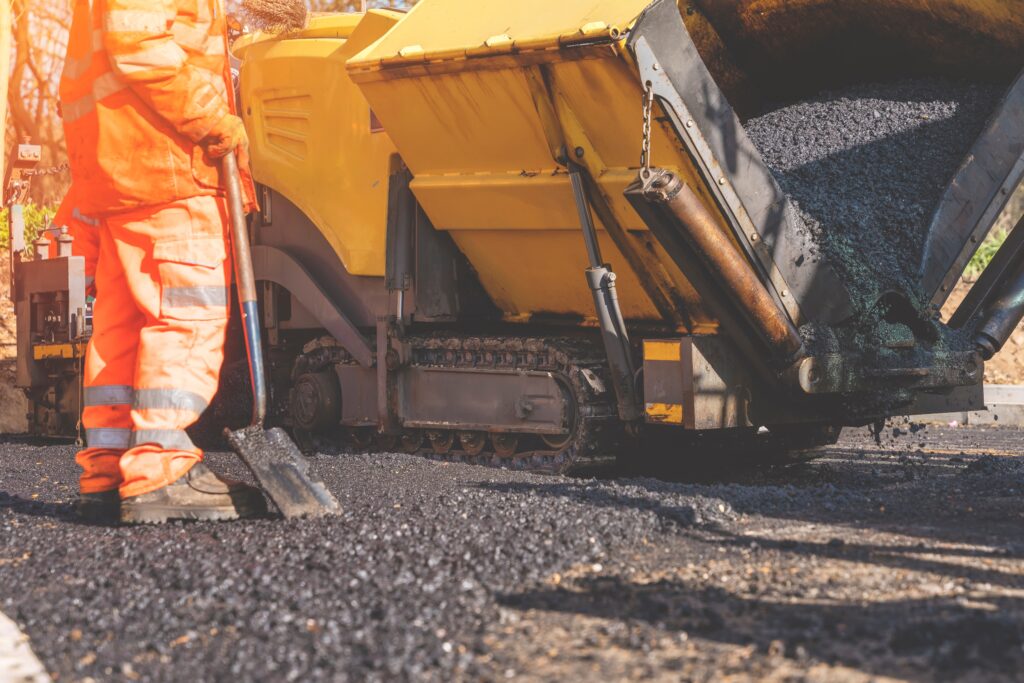
Even the highest-quality road marking fails if the surface beneath it is not properly prepared.
Road surfaces don’t stay clean for long. They collect dust, oil drips, moisture, and other debris from daily traffic. If these aren’t cleared before painting, the markings won’t stick properly and will start peeling, flaking, or fading much sooner than expected. Some of the most common issues with poor surface preparation include:
- Moisture and contaminants: Residues from vehicles or weather conditions can interfere with adhesion.
- Temperature sensitivity: Applying paint in overly hot or cold conditions reduces bonding strength.
- Dust and debris: Even minor particles can create bubbles or uneven textures.
This mistake is avoided through professional road paint application services by conducting thorough surface inspections, pressure-cleaning pavements, and scheduling work during optimal weather conditions. Professionals also use moisture testers to confirm readiness before application.
Mistake 2: Incorrect Paint Thickness
Road marking paint must be applied at the right thickness to meet visibility and durability standards. Too thin, and the markings fade quickly. Too thick, and they may crack or wear unevenly. This problem often arises from uncalibrated equipment or crews rushing through the application.
- Too thin: Reduces nighttime reflectivity and requires more frequent repainting.
- Too thick: Leads to cracking, uneven drying, and wasted material.
- Inconsistent layers: Creates irregular line visibility and poor aesthetics.
Professionals prevent this line marking mistake by calibrating their equipment regularly and training applicators on flow rates. They also perform spot checks during the project to ensure every line meets specified thickness standards.
Mistake 3: Improper Glass Bead Application
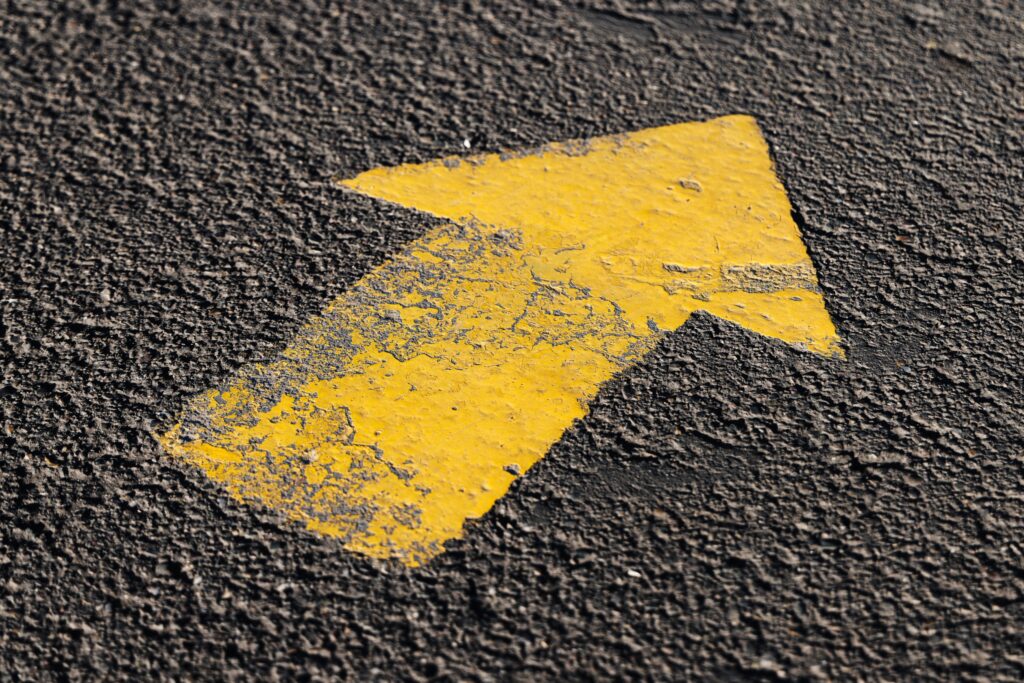
Glass beads are critical for retroreflectivity, allowing markings to shine under headlights at night. Without proper bead application, road lines become nearly invisible in low-light conditions.
Many projects fail when beads are applied unevenly, too shallowly, or too late in the process.
- Insufficient beads: Weakens night visibility and fails compliance tests.
- Poor embedment: Beads fall off prematurely, reducing lifespan.
- Incorrect timing: Delays during application can cause beads to scatter or not bond properly.
Experienced contractors use calibrated bead dispensers and monitor embedment levels during application. They also adjust dispensing speed and pressure depending on traffic paint type and road surface.
Mistake 4: Rushed Timelines
Contractors working under tight deadlines may compromise curing times or skip essential quality checks. While it may speed up the project, the long-term result is usually poor adhesion and faster wear.
- Insufficient drying time: Increases the risk of smudging and traffic disruption.
- Skipped inspections: Missed errors lead to costly corrections later.
- Inconsistent output: Crews under pressure often produce irregular or misaligned lines.
Professional teams avoid this road line marking mistake by planning timelines with curing in mind, using quick-dry paints only when necessary, and ensuring traffic management allows for proper drying. They also schedule regular quality inspections instead of rushing to completion.
Mistake 5: Using the Wrong Materials
Not all paints and thermoplastics are suited for every project. Choosing the wrong type for the surface or traffic condition can shorten the lifespan and compromise safety.
- Mismatched paint type: Water-based paint on high-traffic roads, for example, wears out too quickly.
- Ignoring climate factors: Some paints cannot withstand heavy rains or extreme heat.
- Unverified suppliers: Low-quality products may fail compliance tests or degrade prematurely.
Professional road marking service providers work with suppliers who meet strict industry standards and select materials based on surface type, climate, and traffic volume.
How Professionals Avoid Line Marking Mistakes
The best contractors reduce risks by following a system of planning, training, and quality assurance.
- Planning: Detailed project assessments, including weather checks and surface testing, ensure a strong foundation.
- Calibrated equipment: Regular maintenance prevents inconsistencies in thickness or bead application.
- Experienced crews: Trained applicators know how to adjust techniques based on project conditions.
This professional approach ensures projects not only meet government standards but also stand the test of time.
Preventing Costly Road Line Marking Mistakes
Every mistake in road line marking has real-world consequences, from higher maintenance costs to increased safety risks. Fortunately, most of these errors can be prevented with careful preparation, the right equipment, and proven best practices.
When you work with seasoned professionals, you get road markings that last longer and perform better, helping keep traffic safe and making projects more efficient. At Rua Seguridad, this is exactly what we do, bringing years of experience and a proven track record to ensure every project meets the highest standards.
Looking for road marking paints you can trust? Contact Rua Seguridad today and explore our line of high-performance products designed for Philippine roads.
FAQ
Why do road markings fade so quickly in some areas?
This often happens when paint is applied too thinly, on dirty surfaces, or with the wrong materials for the traffic conditions. Proper preparation and product choice are essential.
How do professionals ensure glass beads stick properly?
They use calibrated bead dispensers, apply beads immediately after painting, and check embedment depth to ensure maximum reflectivity and durability.
Can bad weather ruin a road marking project?
Yes. High humidity, rain, or extreme temperatures can prevent paint from bonding correctly. That’s why professionals always check weather forecasts and adjust schedules accordingly.